proof, and more

A simple lens, not another program.
Dear Teachers, Leaders, and Advocates,
The spark: Dr. Atul Gawande's Checklist Manifesto — if one page can save lives in an operating room, what could it do for a classroom?
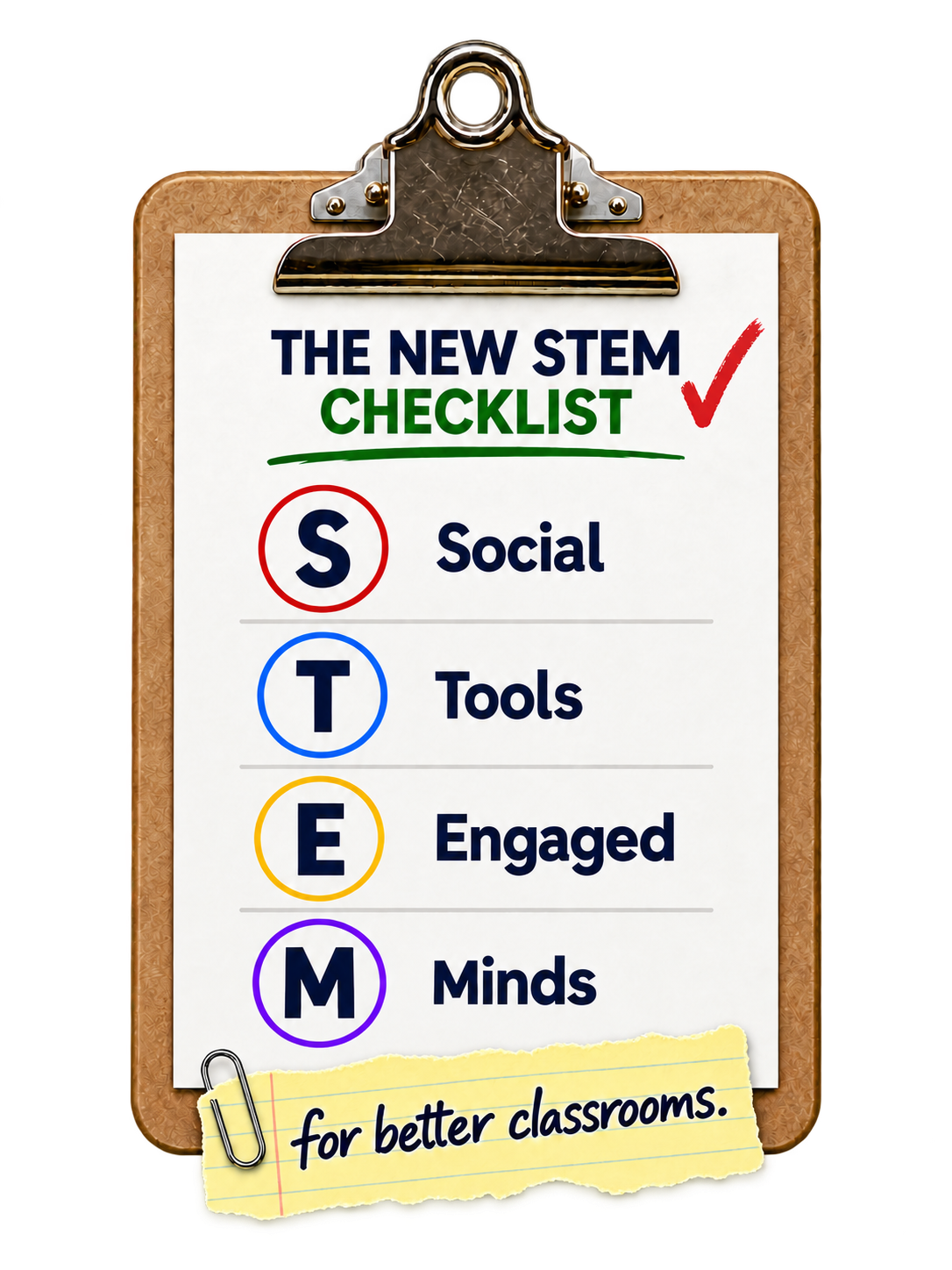
After three decades in classrooms, I noticed the schools that felt alive weren't running a rare program — they were doing a handful of human things, consistently. So I wrote them down as a checklist — a simple shareable lens for better classrooms.
The Top 10 — start here.
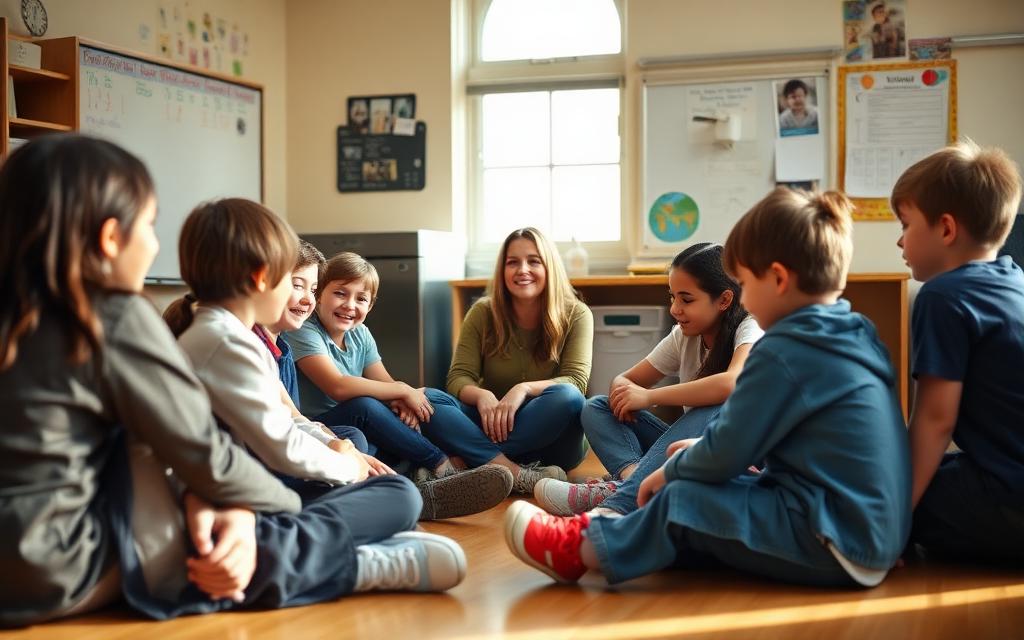
1. belonging
S · SocialNo child can learn until they belong.
What the research shows: Students who feel socially connected show measurably higher achievement — belonging is the on-ramp, not the reward.
2. teacher-student wellness
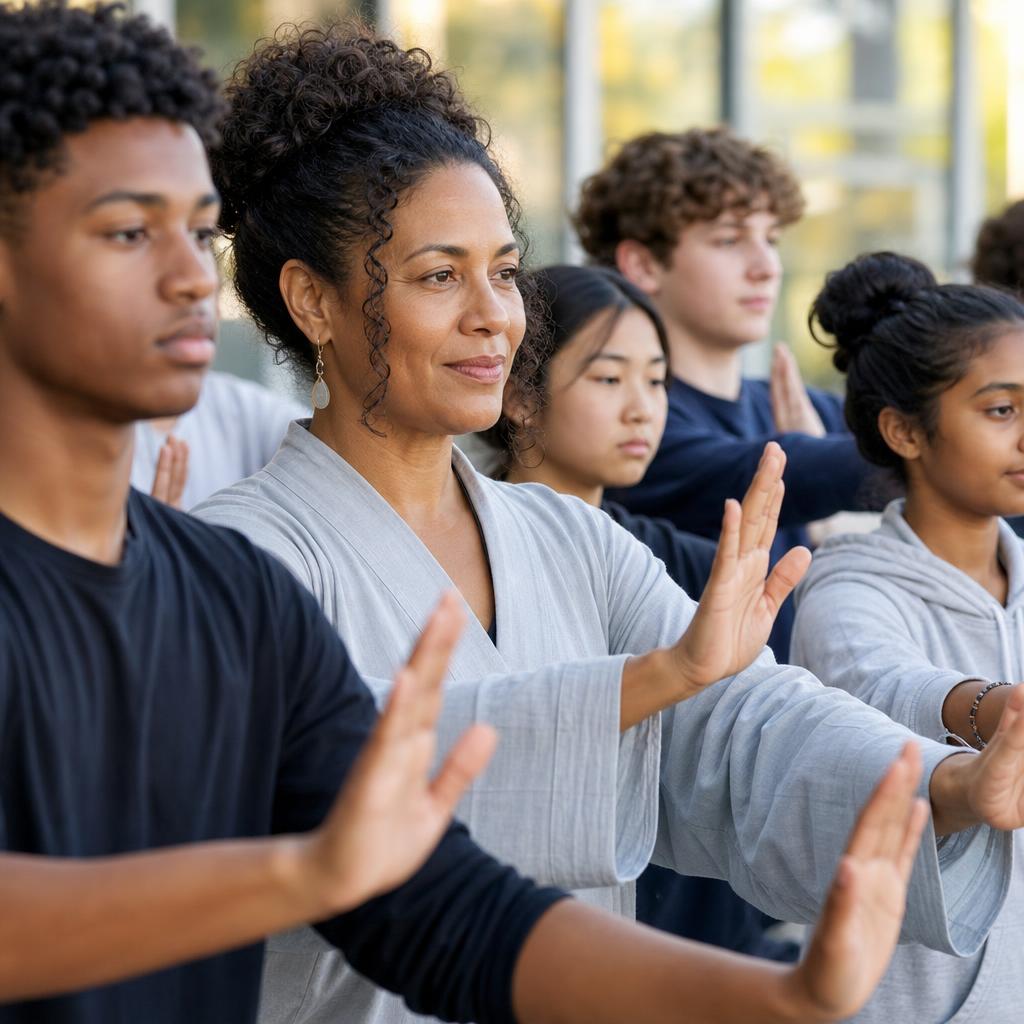
S · SocialTeacher and student wellness are inextricably linked — addressing both reduces stress and improves outcomes.
What the research shows: Teacher stress travels; when adult well-being improves, student behavior and outcomes follow.
3. every name
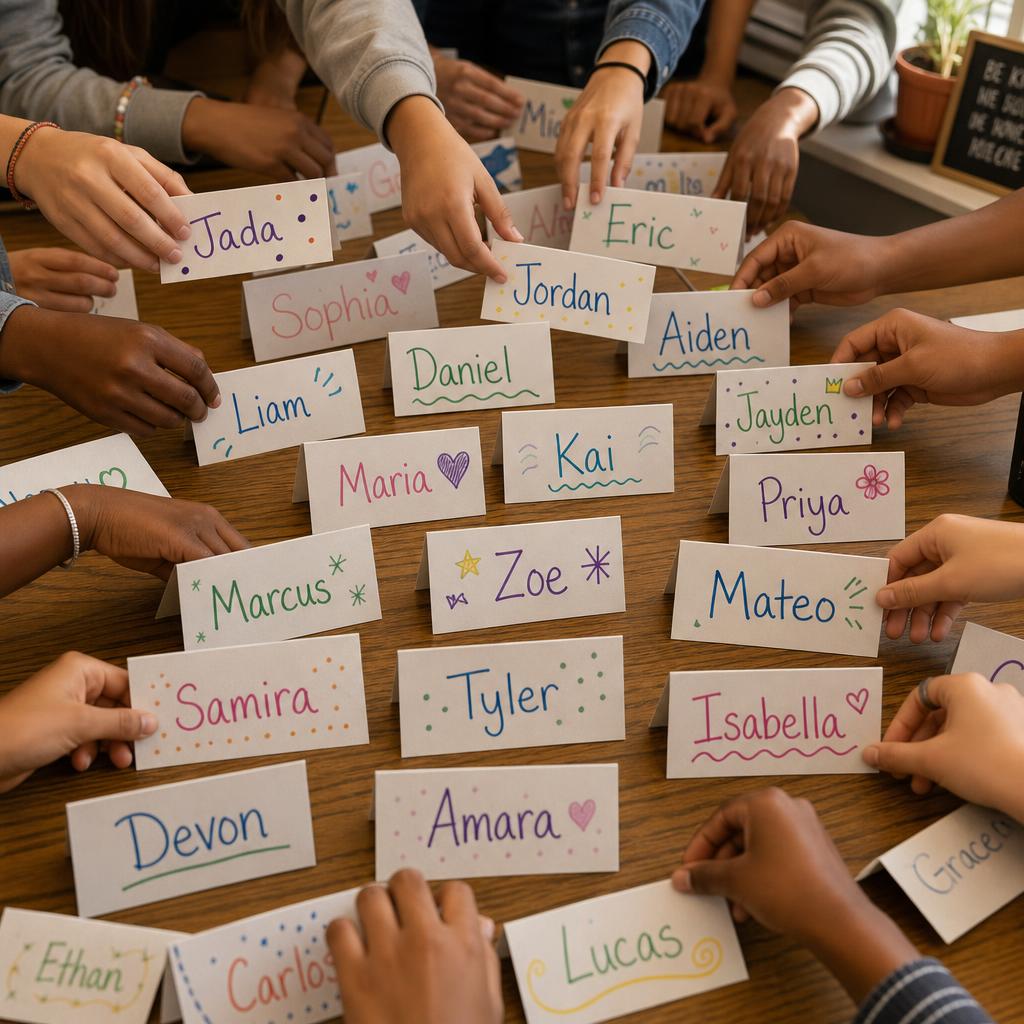
S · SocialWhen names become muscle memory in week one among students, connection and engagement advance.
What the research shows: Peer-to-peer name recognition in week one predicts stronger classroom networks all year.
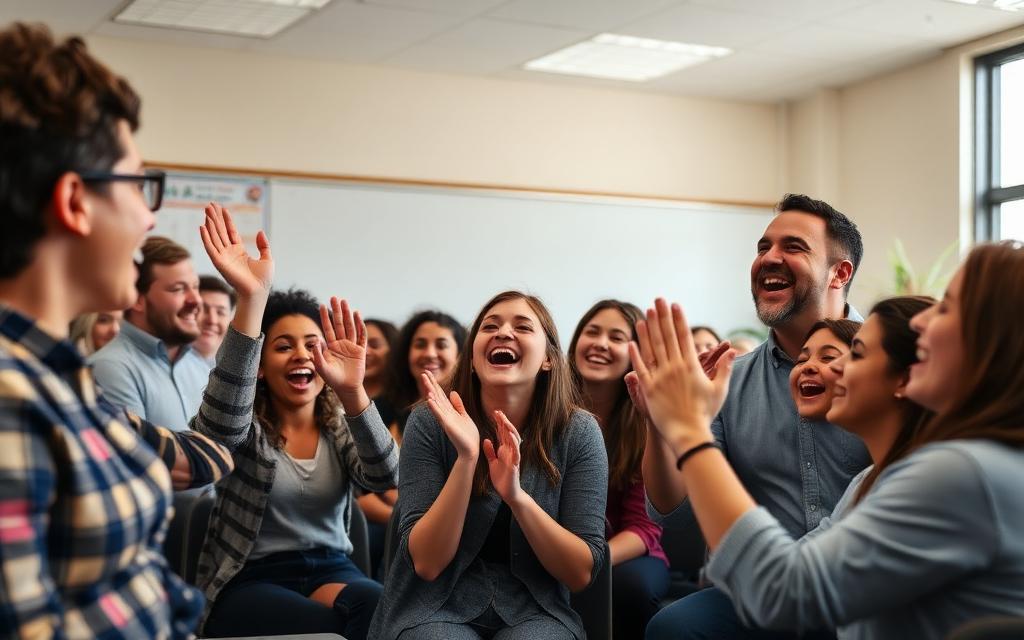
4. humor
S · SocialShared laughter lowers cortisol, signals connection, and cements content — a triple threat that makes lessons stick and classrooms human.
What the research shows: Shared laughter lowers stress hormones and improves recall of the material it accompanies.
5. why content
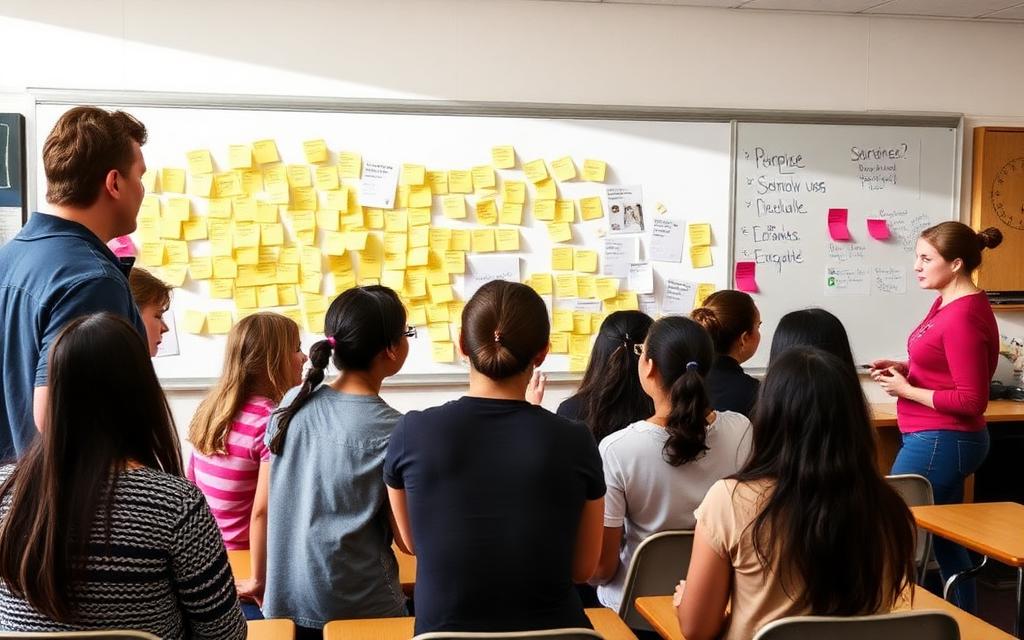
E · EngagedWhen students help define the 'why,' and educators echo it at every level, focus lasts longer and learning goes deeper.
What the research shows: Students who can state the purpose of a lesson sustain attention and transfer longer.
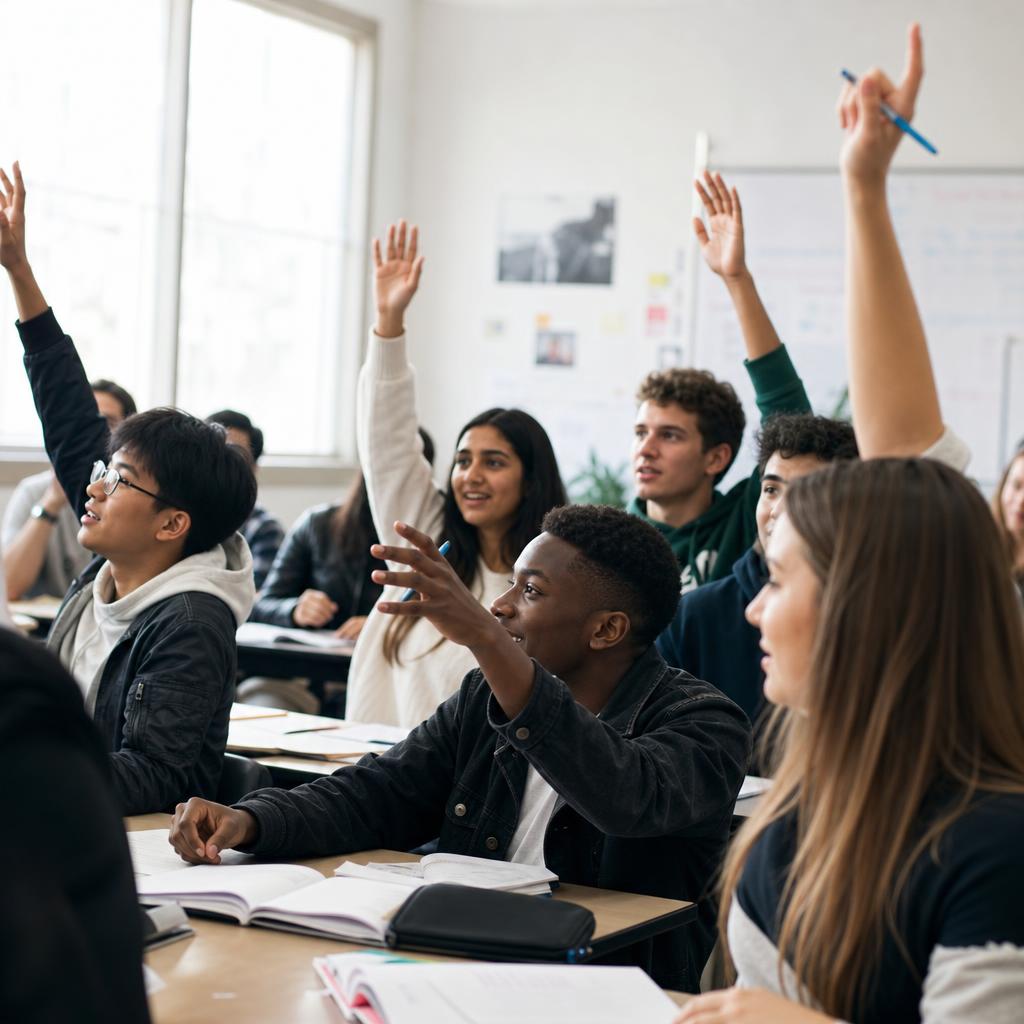
6. participation
T · ToolsWhen participation is forgiving, frequent, even messy, more thinking follows.
What the research shows: Low-stakes, frequent response formats produce more thinking than high-stakes cold calls.
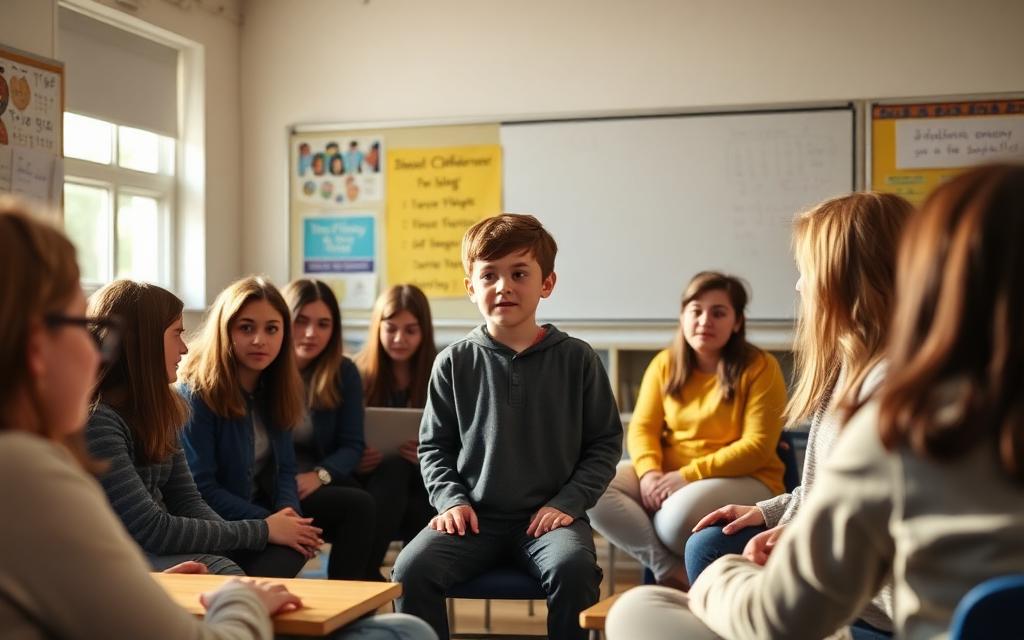
7. every voice
E · EngagedWhen every voice is prompted and heard daily, presence and comfort strengthen.
What the research shows: Daily structured turns to speak raise participation for the quietest third of any room.
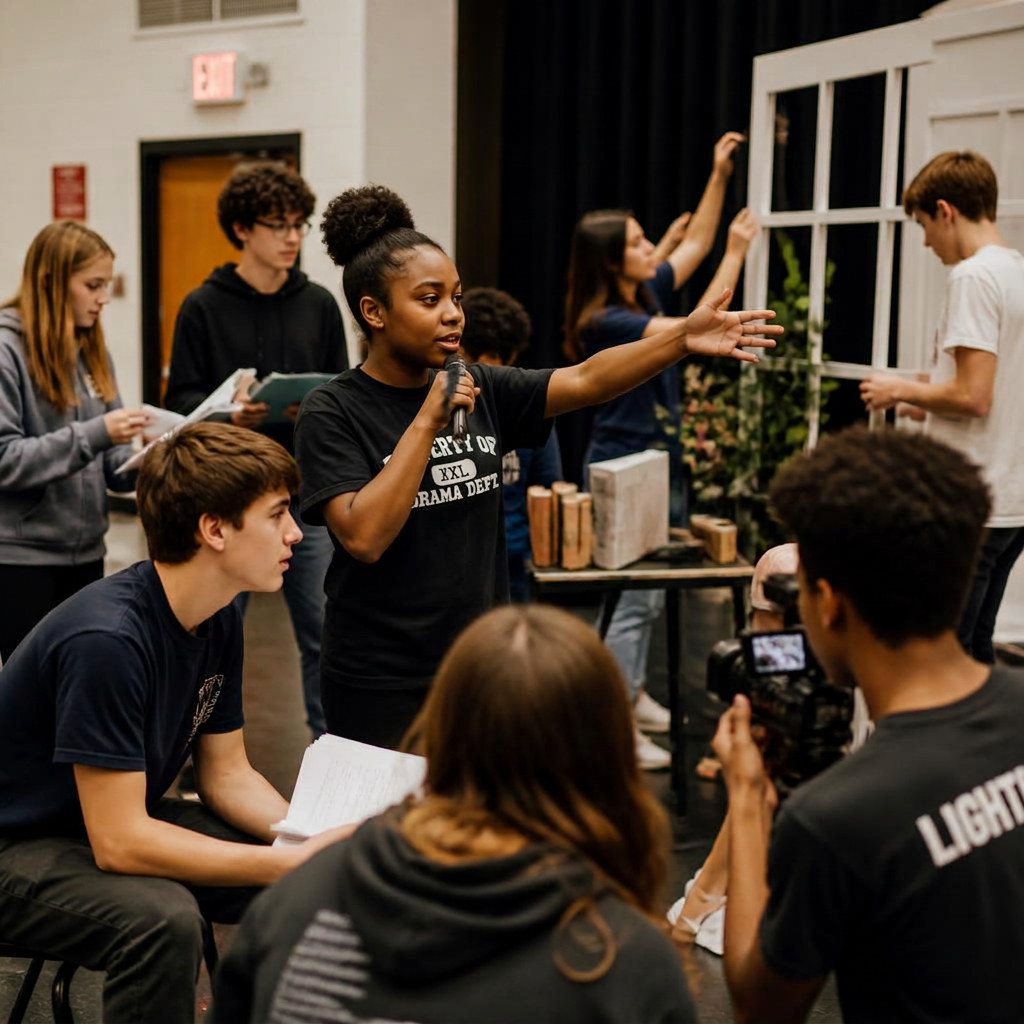
8. agency
E · EngagedWhen students run things and adults guide and observe, confidence and control deepen, and life's speed bumps are more easily navigated.
What the research shows: Choice and student-run work raise ownership, persistence, and self-regulation.
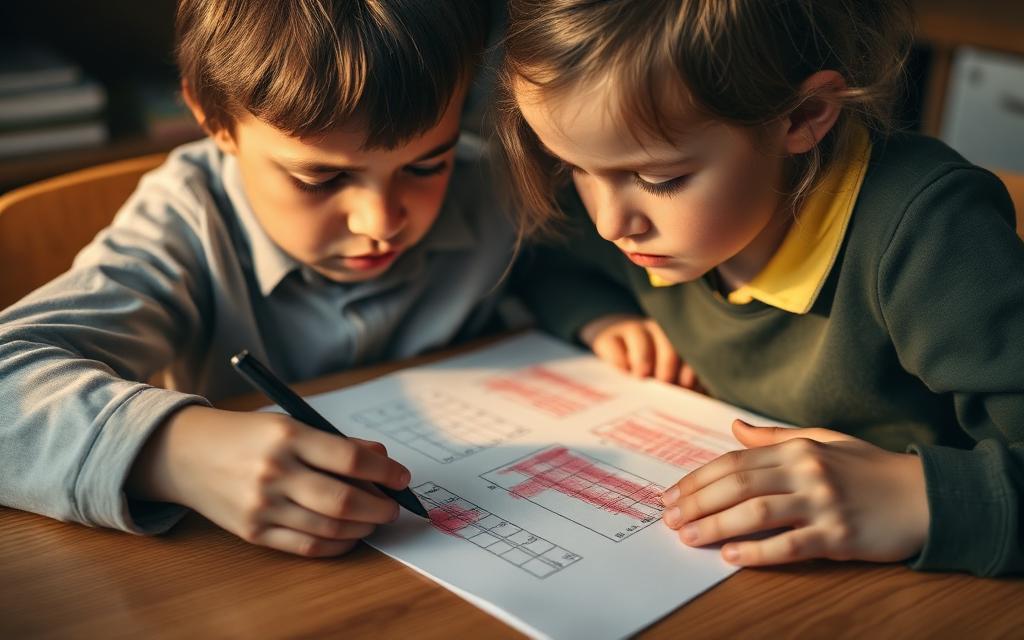
9. struggles
M · MindsWhen setbacks are framed as temporary and struggles are normalized, growth is normalized.
What the research shows: Framing setbacks as temporary shifts effort and persistence, not just mood.

10. focus
M · MindsDemand focus and you'll lose it; understand what drains and renews it, and you unlock a quiet superpower.
What the research shows: Attention is a renewable resource: it responds to rest and rhythm far better than to demands.
Every truth still counts.
First, check off the ones you're already knocking out of the park — that matters. Then pick one or two from the rest you'd like to improve, and start there.
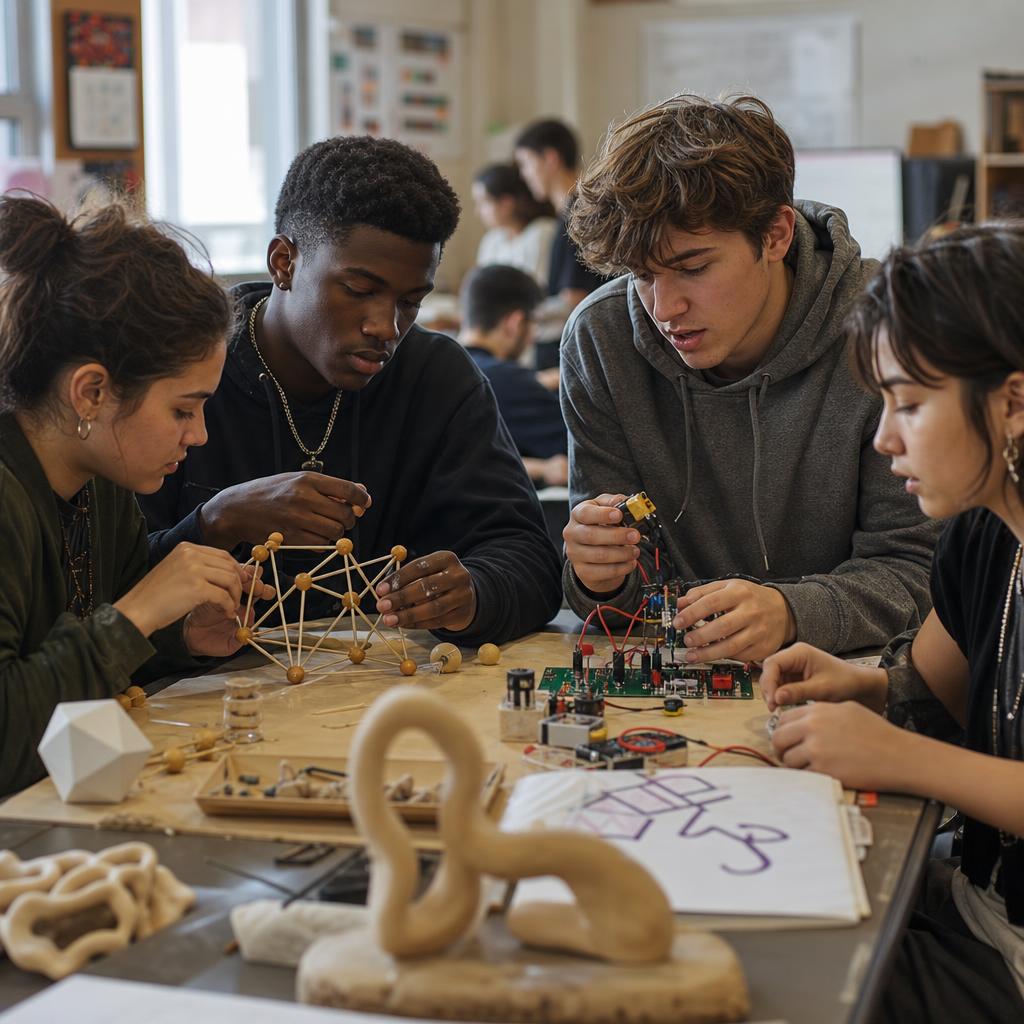
5. multi-sensory k-12
T · ToolsMulti-sensory isn't just for kindergarten — it applies K-12. Learning deepens when students see, touch, and interact with content civically, socially, kinetically in every way possible.
Pairing sight, sound, and movement builds more retrieval routes to the same idea — at every grade.
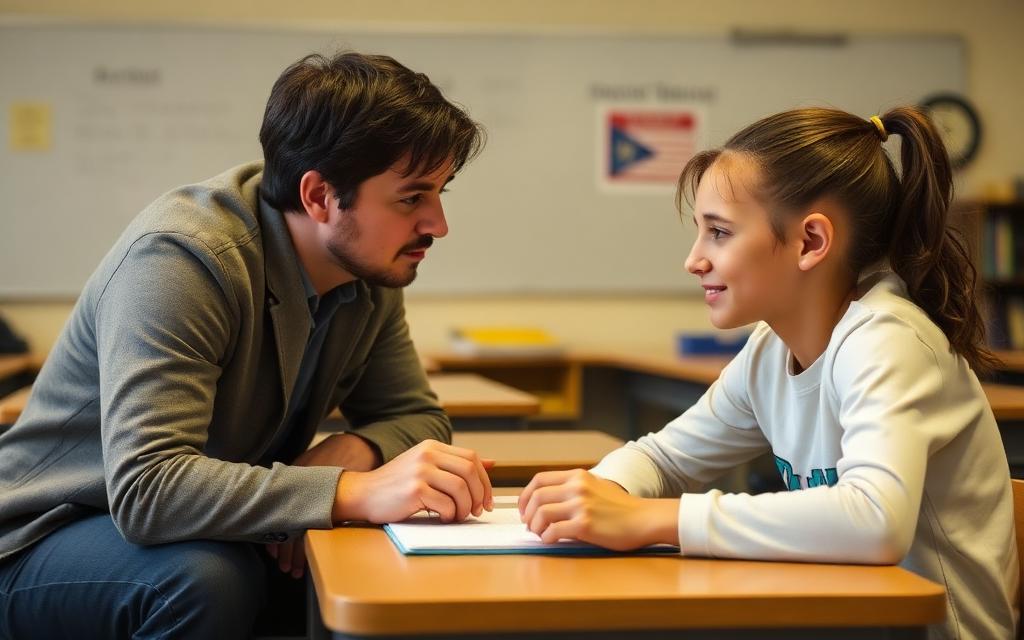
8. mentoring
T · ToolsLearning thrives when mentoring leads and measuring follows. Mentoring builds student success, steps, and confidence.
Consistent mentoring relationships move confidence and completion more than added measurement does.

11. reading
M · MindsReading struggles reflect wiring, not smarts. Early, science-based support restores the child — and steadies the class.
Reading difficulty is a wiring difference; early structured-literacy support changes trajectories.
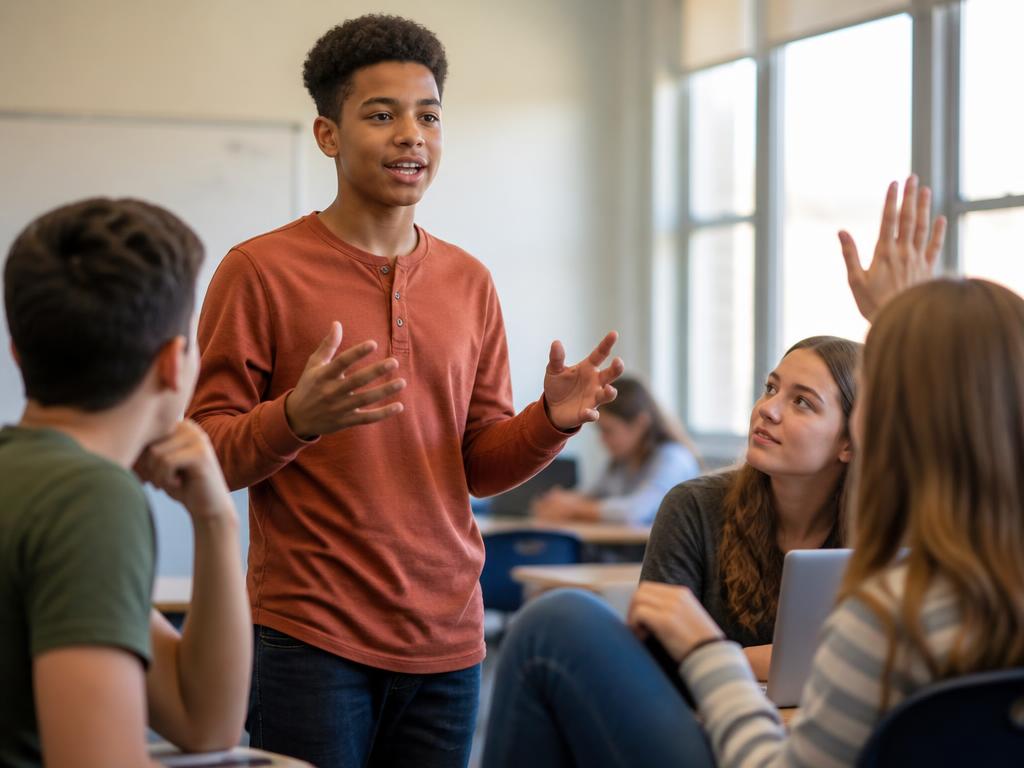
13. finding voice
E · EngagedWhen students debate, defend ideas, and voice robust opinions, thinking sharpens and confidence grows. Dialogue creates more learning than lectures.
Debate and defense of ideas outperform lecture for depth of understanding.

15. meta
M · MindsSelf-awareness is self-directed. Prompting minds to assess mood, manage focus, and consider how they power on, up, and off — is teaching the brain to teach itself.
Teaching students to notice their own thinking improves study habits and grades.
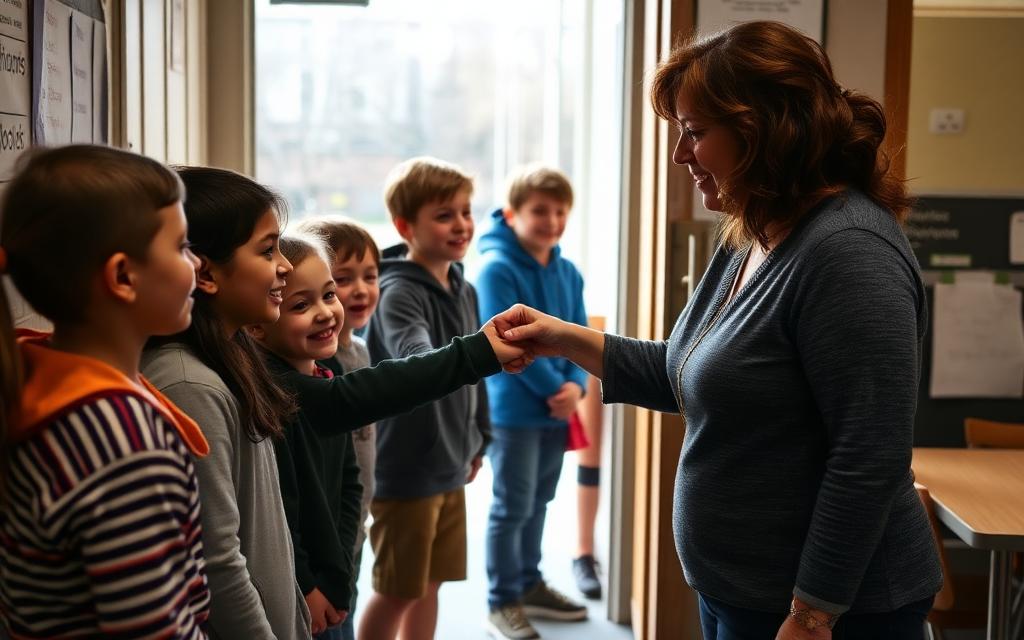
16. rituals
S · SocialSimple class rituals add familiarity that steadies minds and deepens belonging.
Predictable routines reduce cognitive overhead so more capacity goes to learning.
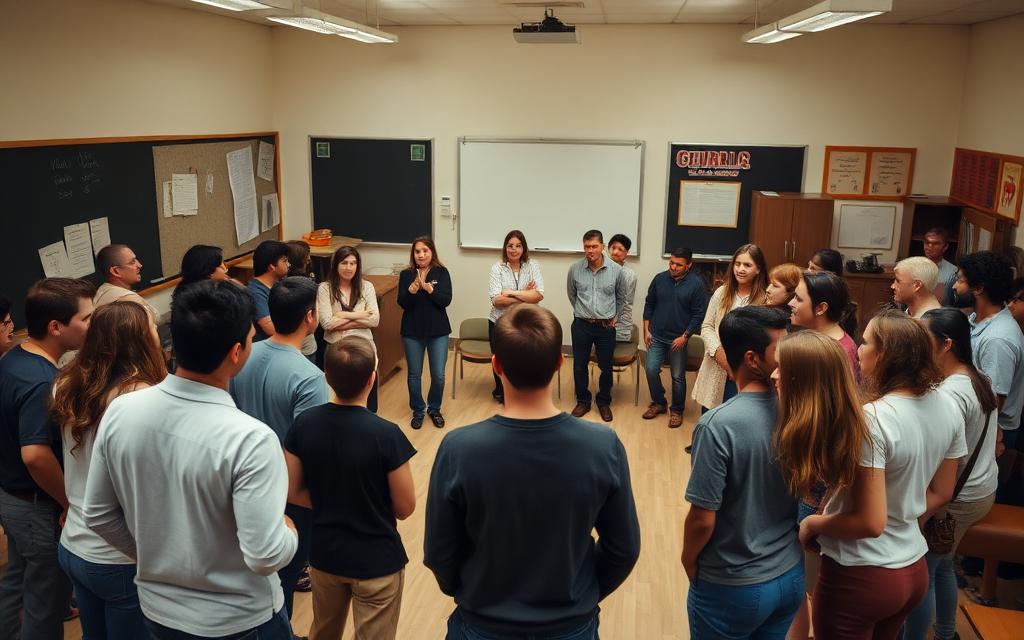
17. the people's classroom
S · SocialA classroom is shaped by everyone's emotional, cognitive, and social energy — it's a demanding 'someone' we are all responsible for.
Classroom climate is a shared product; collective norms shift outcomes more than individual rules.
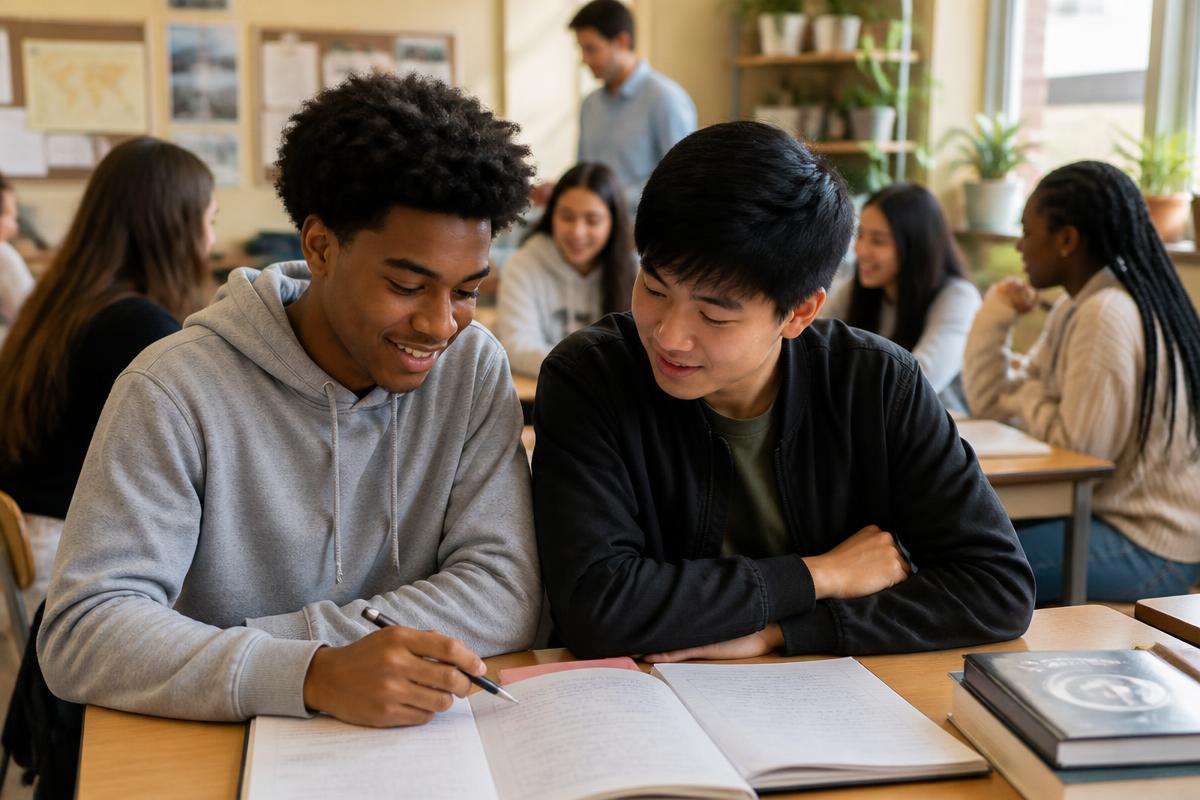
18. peers
T · ToolsWhen students teach each other, learning sticks, grades improve, friends form.
Peer teaching produces some of the largest documented gains in learning and retention.
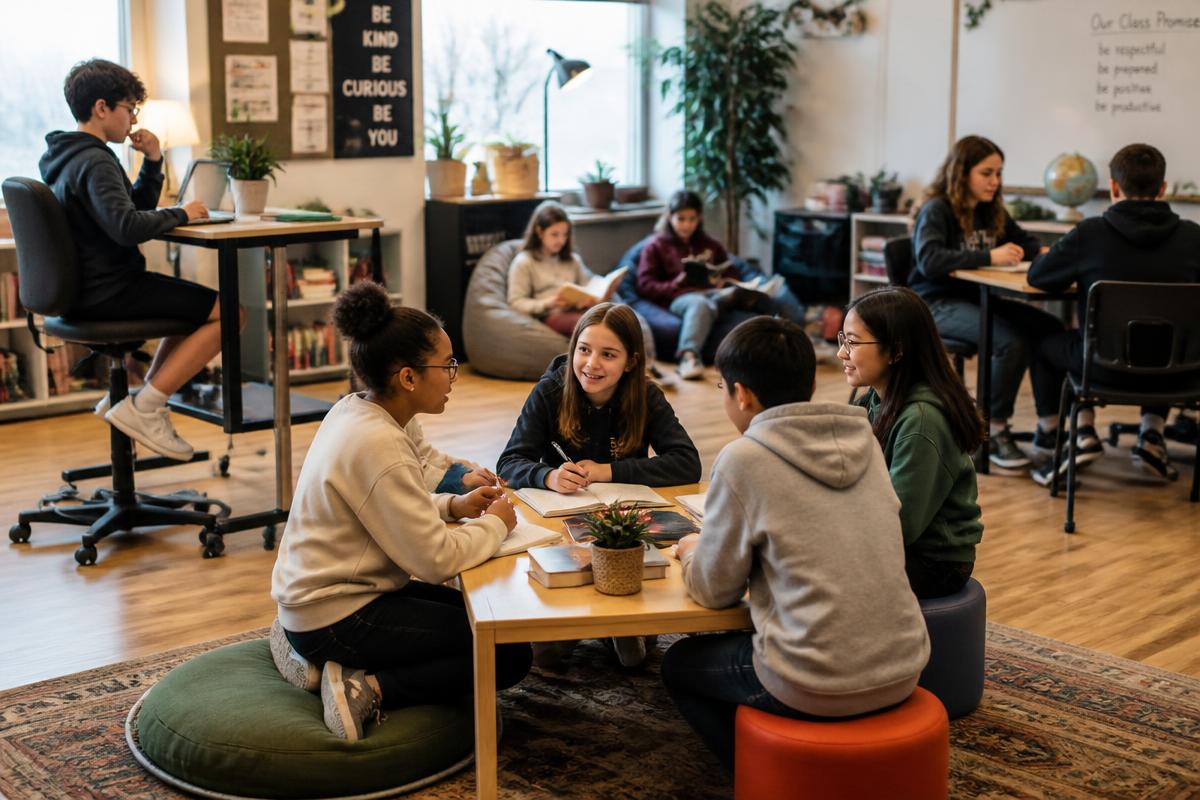
19. seating
T · ToolsWhen flexible seating acts like a Swiss Army knife in step with the day's purpose, connections and outcomes improve.
Flexible arrangements matched to purpose improve collaboration and on-task time.
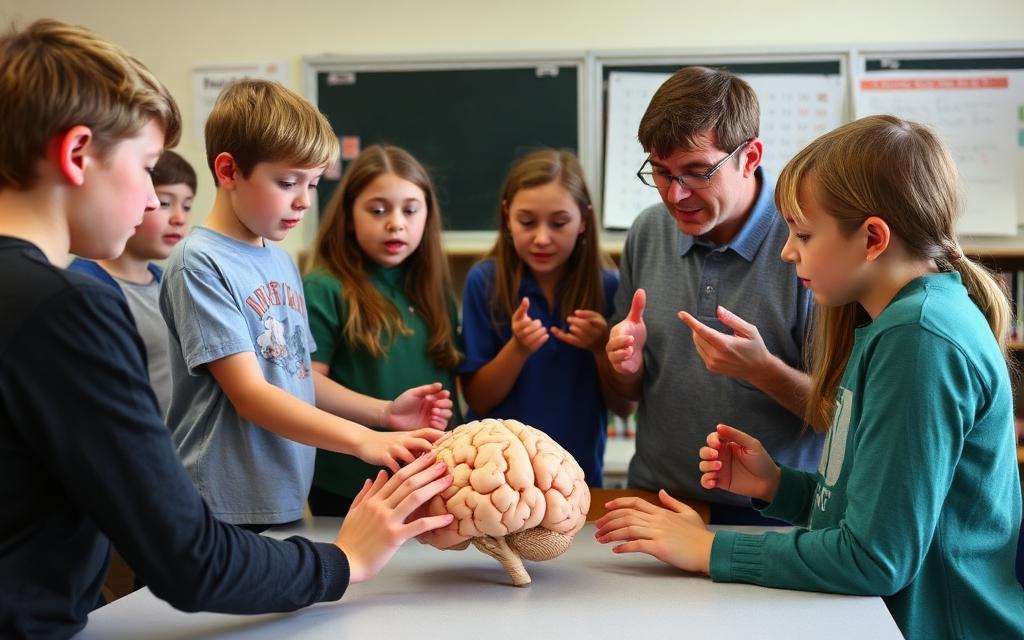
20. learn brain
M · MindsBrain basics — attention, memory, mood, stress — taught early and revisited often help students grow into steady, aware citizens.
Basic brain literacy — attention, memory, stress — helps students manage their own learning.

21. load & spacing
T · ToolsHow classrooms and schools manage loads for teachers and students across day-long engagement will be key to educational modernity.
Spaced practice and managed cognitive load beat cramming by wide margins.
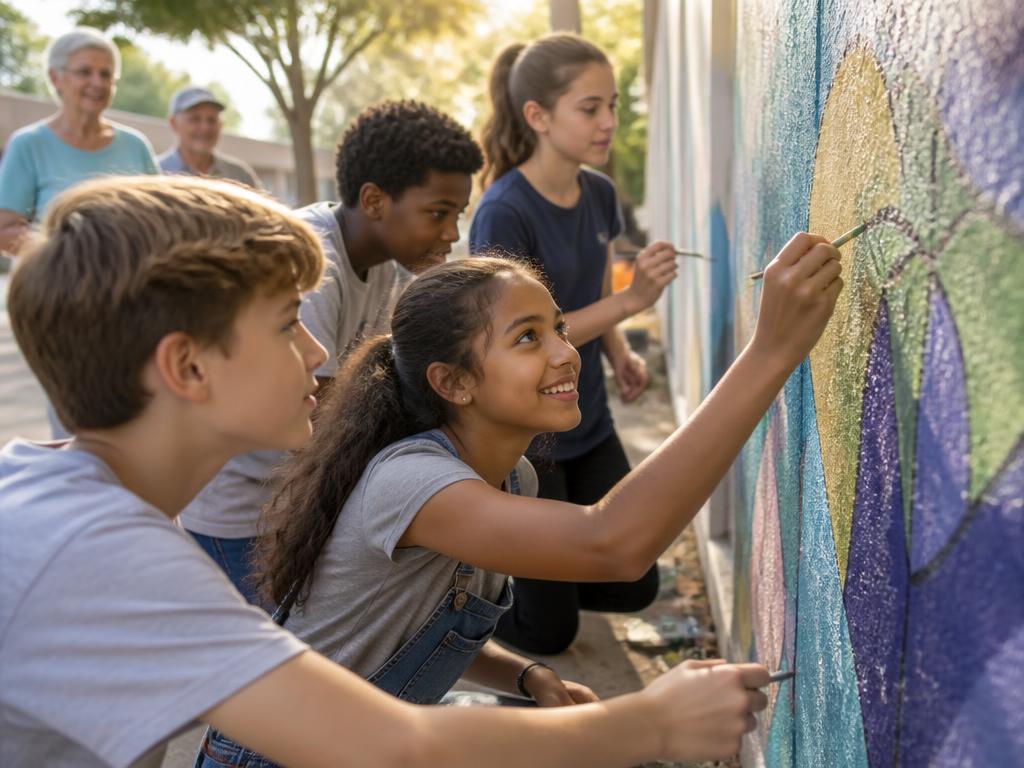
22. solving
E · EngagedClassrooms as civic problem-solving must be as natural as teaching addition or reading.
Civic problem-solving builds transfer: knowledge used in the world sticks.
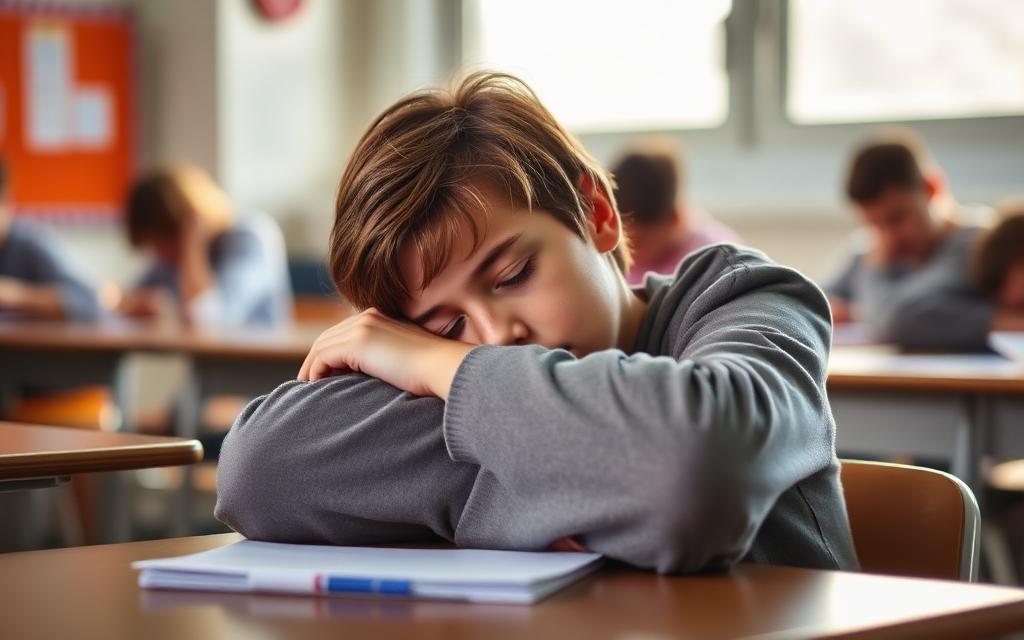
23. sleep
M · MindsWhat powers brain development, focus, memory, and grades all at once? Sleep science should be a prereq.
Sleep is where memory consolidates; later starts and better sleep track directly with grades.
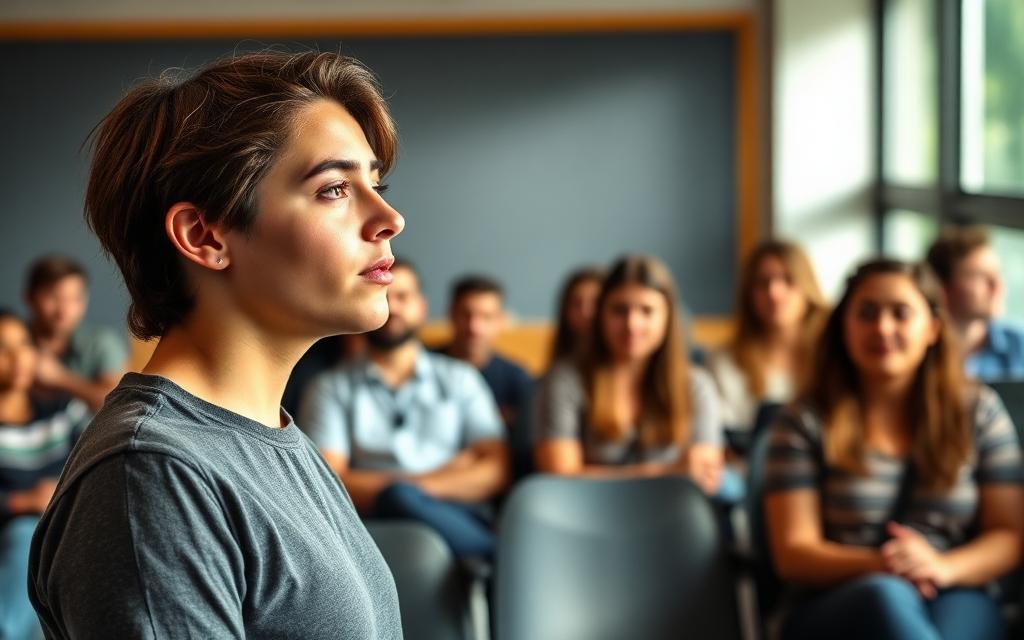
24. discomfort
E · EngagedWelcome challenge, find comfort inside discomfort, and practice stretching into the unfamiliar — this is where greatness grows.
Productive struggle at the edge of ability is where durable learning is formed.
Where the science comes from.
Every link above is live and clickable at timclue.com/stem — the site holds the full video library and complete citation for each truth.Thank you for supporting the greatest connection space on earth: our classrooms.
videos, and research
The best classrooms aren't built in isolation. If you have a video of one of these truths coming to life in your room, send it my way — I'll feature it on the site and share it with educators everywhere.
Every shared example is a chance to inspire another classroom, another teacher, and another group of students who deserve a better space to learn.